








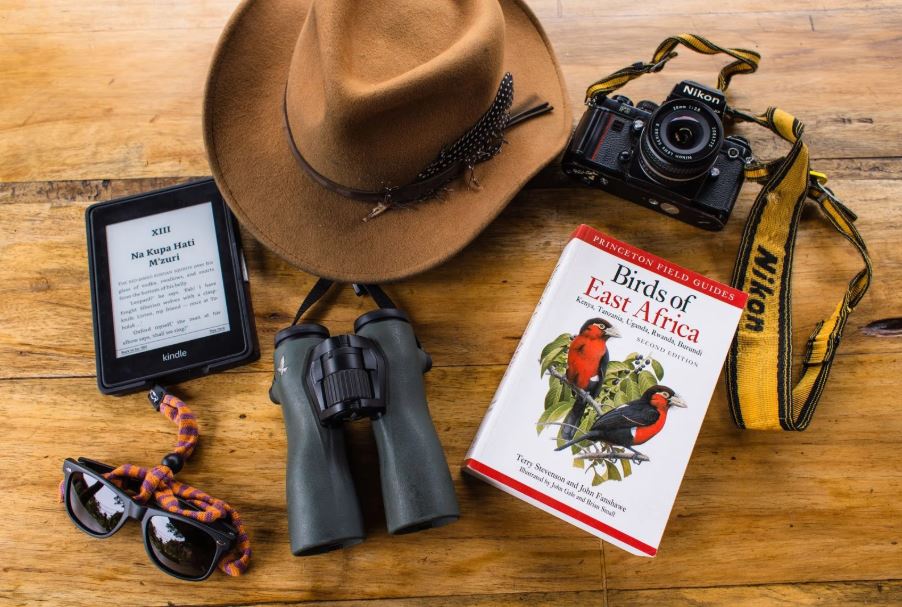
What to Bring (and What to Leave at Home)
A Comprehensive Logistics & Preparation Guide for Mature European Travelers
An East African safari is more than just a holiday; it is the realization of a lifelong dream. Standing on the sweeping plains of the Serengeti, listening to the thunderous echo of the Great Migration, or watching a family of elephants silhouette against an amber sunset are moments that stay with you forever. At Irembo Holidays Safaris, we specialize in transforming these dreams into seamless, comfortable, and deeply enriching realities.
For our sophisticated guests in their 50s, 60s, and beyond, preparation is the key to transitioning from an ordinary vacationer to an effortless explorer. Unlike standard city breaks, an African safari presents unique operational environments—ranging from small-aircraft luggage constraints to strict conservation laws and regional health protocols. Packing efficiently does not mean sacrificing comfort; rather, it means prioritizing the right things. This definitive guide unpacks the essential logistics, practicalities, and packing absolute essentials so you can step onto African soil fully prepared, perfectly styled, and stress-free.
1. The Golden Rule of Safari Logistics: Luggage Restraints
Before laying out a single item of clothing, it is critical to understand the primary physical constraint of your journey: the light aircraft transfers. Many of East Africa’s premier game reserves and national parks are accessed via bush planes (such as those flying into the Serengeti, Maasai Mara, or Selous).
These smaller aircraft have strict weight and space limitations for safety reasons. The standard allowance is usually 15 kilograms (33 pounds) per person, and this must include your camera equipment and hand luggage. Crucially, your luggage must be a soft-sided duffel bag without a rigid frame or hard wheels. Hard suitcases simply cannot fit into the uniquely shaped under-belly cargo pods of these aircraft.
💡 Expert Tip for Mature Travelers If you suffer from back discomfort or find lifting heavy bags difficult, look for a soft-sided duffel that features built-in, low-profile wheels but a completely flexible frame, or utilize a multi-pocket system. Rest assured, at every airstrip, lodge, and vehicle transfer, Irembo Holidays Safaris guides and camp staff will handle all heavy lifting for you.
2. Wardrobe Planning: Fabric, Function, and Etiquette
When packing clothes for East Africa, forget the glamorous but impractical Hollywood safari costumes. Instead, prioritize layers, breathability, and protection from the elements.
The Color Palette Matters
Neutral colors are not just a fashion statement; they are a practical requirement. Khaki, olive green, beige, taupe, and light brown blend seamlessly into the bush, minimizing your visual disruption to wildlife.
-
Avoid Dark Blue and Black: These colors actively attract the tsetse fly, a biting insect found in certain wooded savannahs whose bite is remarkably painful.
-
Avoid Bright Whites and Neons: Bright white acts as a flag to wild animals, causing them to flee long before your vehicle can approach for a quality viewing experience.
-
Avoid Military Camouflage: In many East African nations (including Kenya, Tanzania, and Uganda), camouflage clothing is strictly reserved for the military and is illegal for civilians to wear.
Layering for Temperature Extremes
A typical safari day begins before dawn when temperatures can be surprisingly chilly—often dipping to 10°C (50°F) in places like Ngorongoro or the high plains of the Mara. By midday, intense equatorial sun can drive temperatures well above 30°C (86°F).
The solution is high-quality layers. Start with a moisture-wicking base t-shirt, add a long-sleeved linen or technical safari shirt, and top with a fleece or lightweight down jacket. As the sun rises and the open-sided 4×4 vehicle warms up, you can peel back these layers.
Footwear Realities
Unless you are embarking on a dedicated walking safari or gorilla trekking in Rwanda/Uganda, heavy, rigid hiking boots are unnecessary and take up valuable luggage space. For standard game drives, a sturdy pair of supportive trail running shoes, walking shoes, or lightweight hiking shoes with good grip are ideal. Ensure they are well broken-in before leaving Europe to prevent blisters. Do bring a pair of comfortable sandals or loafers for wearing around the lodge in the evenings.
3. Health, Wellness, and Comfort Essentials
Your health and comfort are paramount. For mature travelers, maintaining access to personal medications and protecting skin and joints ensures an uninterrupted, joyful experience.
Medication Logistics
Always pack your essential medications in your carry-on bag, never in checked luggage, in case of international transit delays. Bring enough to last your entire trip plus an extra week’s supply, kept in their original pharmacy containers with matching prescription documentation. East Africa requires specific health precautions, including malaria prophylactics and, depending on your itinerary and country of origin, a Yellow Fever vaccination certificate. Consult your travel clinic or GP in Europe at least 6 to 8 weeks before departure.
Sun and Insect Protection
The African sun is remarkably strong. Pack a broad-spectrum, high-SPF sunscreen (SPF 30+) and a wide-brimmed hat that features a chin strap—winds across the savannah in an open-sided vehicle can easily sweep a loose hat away. For insect protection, look for repellents containing 20-30% DEET or Picaridin. For those who prefer natural options, lemon eucalyptus oil can be effective, though DEET remains the gold standard for malaria zones.
4. Gadgets, Optics, and Documentation
To truly appreciate the deep amber eyes of a leopard lounging in an acacia tree, or a distant pride of lions, high-quality optics are non-negotiable.
Do not rely solely on your smartphone camera; its digital zoom will leave wildlife looking like tiny, blurry specks. Invest in a dedicated pair of binoculars for your personal use (sharing with a travel partner often means missing fleeting moments). An 8×42 or 10×42 magnification specification provides the perfect balance between magnification stability and light entry, particularly during dawn and dusk when predators are most active.
If you are an avid photographer, a DSLR or mirrorless camera body with a 70-300mm or 100-400mm telephoto lens is highly recommended. Remember to pack extra memory cards and at least two spare batteries, as cold morning game drives can drain battery life faster than expected.
🔌 Power and Connectivity Note East Africa primarily uses the British standard Type G three-pin plug, operating at 230V. Bring a universal adapter. While luxury safari lodges feature charging stations in rooms or main lounges, keeping a compact 10,000mAh power bank in your daypack ensures your phone and camera stay charged during long, immersive days in the bush.
5. The Comprehensive “Bring vs. Leave” Matrix
To simplify your packing phase, use this master reference table carefully curated by our guiding team at Irembo Holidays Safaris.
| What to Pack (Bring) | What to Leave at Home |
|
✔ Soft-sided duffel bag (Max 15kg, flexible frame). |
✘ Hard-shell suitcases or rigid wheeled cases. |
|
✔ Muted earthy tones (Khaki, olive, tan, beige). |
✘ Dark blue, black, bright white, and camouflage patterns. |
|
✔ Personal 8×42 Binoculars (Essential for game viewing). |
✘ Heavy tripods (unless you are a professional photographer). |
|
✔ Prescription meds in carry-on + medical certificates. |
✘ Unlabeled pills or loose medications in daily planners. |
|
✔ Wide-brimmed hat with chin strap + polarized sunglasses. |
✘ Delicate, expensive jewelry or luxury designer watches. |
|
✔ Lightweight fleece & windbreaker for layered warmth. |
✘ Heavy winter coats or bulky woolen sweaters. |
|
✔ Biodegradable wet wipes & hand sanitizer. |
✘ Single-use plastic bags (Strictly banned in East Africa). |
6. Crucial Regional Regulations: The “Need to Know” Info
East African nations are global leaders in eco-conservation, which introduces strict regulatory frameworks that European travelers must respect.
The Plastic Bag Ban
Countries like Kenya, Tanzania, and Rwanda enforce some of the world’s strictest bans on single-use plastic bags. This includes duty-free shopping bags, standard plastic grocery bags, and even clear plastic Ziploc bags used for toiletries. Upon arrival at international airports, luggage can be scanned, and carrying these bags can result in confiscation or fines.
The Solution: Switch to reusable cloth bags, silicone pouches, or transparent fabric mesh bags for your toiletries and packing organization.
Drone Restrictions
While it may be tempting to bring a commercial drone to capture the breathtaking vistas from above, drones are strictly illegal in all national parks and conservation areas without extensive, expensive commercial permits obtained months in advance. Unpermitted drones will be confiscated at customs or park entry gates, and operators face severe legal penalties. Leave the drone at home and enjoy the environment through your own eyes.
Tipping Etiquette and Currency Logistics
While safari packages with Irembo Holidays Safaris are highly inclusive, tipping your dedicated safari guide, spotter, and lodge staff is an important cultural practice that directly supports local communities.
US Dollars (USD) are widely accepted across East Africa, alongside local currencies (like Kenyan or Tanzanian Shillings). However, a critical logistical detail often catches European travelers off guard: US Dollar bills must be crisp, unblemished, and issued after the year 2013. Local banks and businesses routinely reject older bills or notes that have small tears, stamps, or heavy creasing due to counterfeiting concerns. Alternatively, major credit cards (Visa and Mastercard) are accepted at established luxury lodges, though they often carry a 3-5% processing surcharge.
Conclusion: Ready for the Journey of a Lifetime
Packing for an East African safari does not require embarking on a difficult logistical mission. By embracing the art of minimalist, functional layering and adhering to weight limits, you ensure a fluid and luxurious travel experience.
At Irembo Holidays Safaris, we believe that true luxury lies in peace of mind. Our meticulous planning, custom-tailored 4×4 safari vehicles, and deeply knowledgeable local guides ensure that from the moment you land, every logistical nuance is seamlessly managed. Now that your packing list is finalized, you can clear your mind of worries and prepare your heart for the raw, majestic magic of the African wild. We look forward to welcoming you.
About Irembo Holidays Safaris: We are premium East African safari specialists dedicated to crafting bespoke, comfortable, and awe-inspiring travel experiences. Our tailored itineraries prioritize accessibility, leisurely pacing, and expert guidance for mature international travelers.
Contact our Senior Traveler concierge desk today to plan your bespoke African adventure.


11 Replies to “The Ultimate Packing List: What to Bring (and What to Leave at Home)”
Tanya2732, July 27, 2026
https://shorturl.fm/IhZrM
Nicholas3420, August 2, 2026
https://shorturl.fm/QaDrL
Bonnie4014, August 3, 2026
https://shorturl.fm/34pXD
Ken2922, August 5, 2026
https://shorturl.fm/qDvM3
Brandi1978, August 5, 2026
https://shorturl.fm/ZzG9V
Marian1686, August 6, 2026
https://shorturl.fm/u7zfu
Abby3711, August 7, 2026
https://shorturl.fm/7UcF4
Max1218, September 18, 2026
https://addlinks.pro/DSDhg
Juan2623, September 19, 2026
https://addlinks.pro/iTMUz
xu66vip, September 27, 2026
Everything feels very premium here. From the layout to the game selection, it is a high quality experience. Love xu66vip
Skylar4329, September 29, 2026
https://addlinks.pro/C8Qp6